
I am often contacted to support someone with counselling. Even though I am a qualified coach, at this time I am not a trained/qualified counsellor. It is my responsibility to signpost potential clients to the right areas for support should they need counselling.

Why the confusion between Coaching and Counselling?
The confusion sometimes lies that both coaching and counselling offer services to enable people to achieve their full potential. However, they are different.
So here are some differences.
Coaching
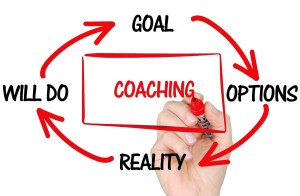
Coaching concentrates on a client’s present and the future, helping them to identify goals, helping them to achieve them through a variety of strategies. The aims are to help them achieve their full potential. The relationship between the coach and the client is on goals, strategizing, action and accountability to enable them to live their best life to their best potential. This is why you will see some coaches advertising themselves as Life Coaches, helping clients to find solutions to obtain their goals.

Counselling
Counselling, however, concentrates on the client’s past and deals with healing emotional pain. It is often supporting the client on understanding and resolving the past. Like coaching, the counsellor will help someone move forward to be able to reach their potential in life. They will focus on specific problems, supporting the client in looking into emotional resolutions to their past problems, making ‘healing’ as one of the main objectives.
Coaching and counselling interlink to be able to support a person to be more self-aware of themselves and others. However, counselling uses a clinical approach focussing on healing, to enable someone to be more successful in their future. Coaching works more on learning and development, focusing on attainable current and future objectives, understanding their strengths and weaknesses, as well as upskilling if necessary. Counsellors however, focus on resolving old pain and improving a client’s emotional state, supporting them to become more resilient.
So simply described, counsellors look to the past to enable the patient to cope and coaches look to the future supporting the client to make a change or take action.

Clients who go for counselling need support with their feelings and emotions which impact them living their life. Whereas clients in coaching are often related to behaviours both externally (others) and internally (their own). These can be focussed on measurable outcomes and therefore clients are accountable for their actions, having strategies to achieve their goals.
With regards to feelings and emotions, a coach would assist the client on thinking and introspection. This can be particularly challenging, but it is encouraged to overcome a situation and to optimise potential. Counsellors help the client realise the deepest of feelings, supporting the client on the understanding of those feelings, helping the client stay at peace.
Training
Finally, the training is very different for coaching and counselling. Both can focus on particular areas of expertise, however, counsellors require extensive expertise in their subject matter of the therapy they focus on, such as addiction, trauma, abuse etc. A coach would focus more on processes, with a choice of specialist training around business, training, leadership, confidence, psychology to support their client on obtaining their goals. These client goals could be leadership, confidence or career development as an example. Acoach does not necessarily need to have extensive subject-matter expertise. They concentrate on a learning, drawing on the client’s experiences and resources to support them with their goals.
Anyone can become a coach with a particular skillset and this can be supported with qualifications to develop their coaching skills in an organisational context. So as an example, I am qualified to Level 7. I have an ILM Level 5 Certificate in Coaching and Mentoring, ILM Level 7 Certificate in Executive Coaching and Mentoring, with other certificates/diplomas in Neuro Linguistic Programming, Cognitive Behavioural Therapy, Life Coaching etc. Further information about coaching trading can be found via the Institute of Leadership website Institute of Leadership & Management Qualifications Information
A counsellor will have qualifications such as a diploma, degree or postgraduate course in counselling or psychotherapy. Some courses offer counselling in combination with other subject matters such as psychology, sociology or criminology. They should include practical skills training and supervised placements. Further information can be found via the National Careers Service National Careers Service for Counselling qualifications
Useful Links
If you have any questions, feel free to contact me and I’ll signpost you as best as I can for counselling or if you are interested in being coached, contact me to chat through by booking a free 30 minute consultation Skyline Coaching Electronic Diary
Subscribe to my other posts by clicking Skyline Coaching Blogs and adding your email
 Skyline Coaching