

We all do it—judge someone before we truly know them. Whether it’s a fleeting assumption about a stranger on the street, a snap judgement about a colleague, or even an internalised bias we weren’t aware we carried, our minds are wired to categorise, assess and sometimes, unfairly conclude. But how often do we challenge those thoughts? How often do we stop to consider the story behind the person?
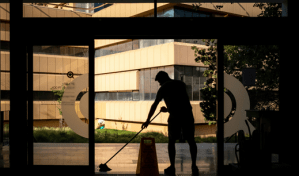
Recently, while my husband was in hospital, I found myself talking to a cleaner. A seemingly casual conversation turned into something unexpectedly profound. She had moved to the UK from Ukraine before the war. She shared that she spoke four languages—Ukrainian, Russian, Polish and English. I, on the other hand, can only speak English. It was a humbling moment.
Here was a woman who might be overlooked in her role, yet she possessed a skill set that far exceeded what most would initially perceive. She spoke about her English lessons, how she wanted to ensure that her children were educated well, investing in tutors for them also.
It made me think: how often do we underestimate people based on surface-level observations? How often do we assume intelligence, capability, or worth based on what job someone does, how they dress, or even their accent? How often do we overlook the richness of someone’s life simply because they don’t fit the expectations we unconsciously place upon them?

The Beauty of Conversations
I love talking to people. I find people fascinating. Every person I meet has a unique story, a wealth of experiences and perspectives that I might never have encountered if I hadn’t taken the time to listen. Conversations have a way of revealing truths about the world and about ourselves. They allow us to reflect on our own journeys and see how people rise in the face of adversity.
But more than that, being listened to makes us feel valued. There’s something deeply human about sharing a part of ourselves and having someone truly hear us. It builds trust, strengthens connections and reminds us that we are not alone. When we take the time to engage with others, we don’t just learn about them—we create a space where understanding and empathy can thrive.
The Biases We Carry
Biases are deeply ingrained in all of us. They come from our upbringing, our experiences, our culture and even the media we consume. We might assume that a cleaner is uneducated, that a wealthy person must be arrogant, or that a quiet individual has nothing to say. These biases are rarely rooted in reality, yet they shape our interactions and limit our ability to truly connect with people.
Psychologists refer to these biases as cognitive shortcuts—our brain’s way of quickly making sense of the world. But these shortcuts often lead us to misjudge, misunderstand and miss out on incredible stories.
Think about how many people you have come across in daily life that you have unconsciously judged. The young man covered in tattoos—do we assume he’s reckless or unreliable? The elderly woman at the checkout—do we assume she’s fragile and unworldly? The mother struggling with a screaming toddler—do we assume she’s not handling parenthood well? These are all snap judgements, often inaccurate and unfair, yet they colour how we interact with people.

The Power of Perspective
Imagine if we flipped this script. What if, instead of assuming, we approached people with curiosity rather than judgement? What if we asked “What’s your story?” before forming an opinion? How much richer would our lives become if we took the time to see people for who they truly are, rather than who we assume them to be?
This isn’t about guilt or self-recrimination; it’s about awareness. We can’t erase biases overnight, but we can acknowledge them, challenge them and choose to see beyond them.
What if, instead of judging that young man covered in tattoos, we learned he spends his weekends volunteering at a homeless shelter? What if we discovered that the elderly woman at the checkout once travelled the world and has incredible tales to tell? What if the struggling mother is actually an accomplished scientist running on three hours of sleep because she has been working all night to find solutions to a problem that could change lives?
Small Changes, Big Impact
Here are some ways to start:
- Pause Before Judging: When you catch yourself making a quick assumption about someone, stop and ask yourself “Why do I think this? What evidence do I have?”
- Get Curious: Make it a habit to ask people about themselves. Everyone has a story worth hearing.
- Expose Yourself to Different Perspectives: Read books, watch films and engage in conversations that challenge your worldview.
- Acknowledge Your Own Biases: The more we recognise our assumptions, the easier it becomes to override them.
- Treat Every Encounter as an Opportunity to Learn: Every person you meet knows something you don’t. Imagine how much we could expand our understanding if we approached each interaction with that mindset.

A Challenge for Us All
Next time you meet someone—anyone—try to see beyond their surface. Ask yourself: What might I not know about this person? You may just be surprised by what you discover.
We all carry judgements. But we also carry the ability to change them. The choice is ours.
The woman I met in the hospital corridor wasn’t just a cleaner—she was multilingual, resilient and had a life story far richer than I had initially assumed. If I had stayed in my assumptions, I would have missed out on learning from her. How many other incredible stories are we missing out on simply because we don’t take the time to see beyond first impressions?
By expanding our perspectives and embracing curiosity, we can work toward a world where we judge less and understand more.
Further Reading & Resources
If this topic resonates with you and you’d like to explore it further, here are some insightful books and resources:
Blindspot: Hidden Biases of Good People – Mahzarin R. Banaji & Anthony G. Greenwald
Think Again: The Power of Knowing What You Don’t Know – Adam Grant
The Person You Mean to Be: How Good People Fight Bias – Dolly Chugh
Talking to Strangers: What We Should Know About the People We Don’t Know – Malcolm Gladwell
If you have any questions or comments, feel free to contact me. If you are interested in being coached, contact me to chat through by booking a free 15 minute consultation Skyline Coaching Electronic Diary
Subscribe to my other posts by clicking Skyline Coaching Blogs and adding your email
 Skyline Coaching